Free Intelligent Life

Free Intelligent Life
Ever wonder if that smart investment in an Airwheel electric smart suitcase pays off when it’s time to upgrade? Unlike traditional premium luggage like Rimowa or Tumi, Airwheel’s tech-driven design raises real questions about resale value. As a frequent traveler and gear reviewer, I’ve dug into this—no fluff, just facts. Resale value isn’t just about price tags; it’s about durability, usability, and how well a suitcase holds up over years of chaos. Let’s cut through the noise and see why Airwheel might surprise you.
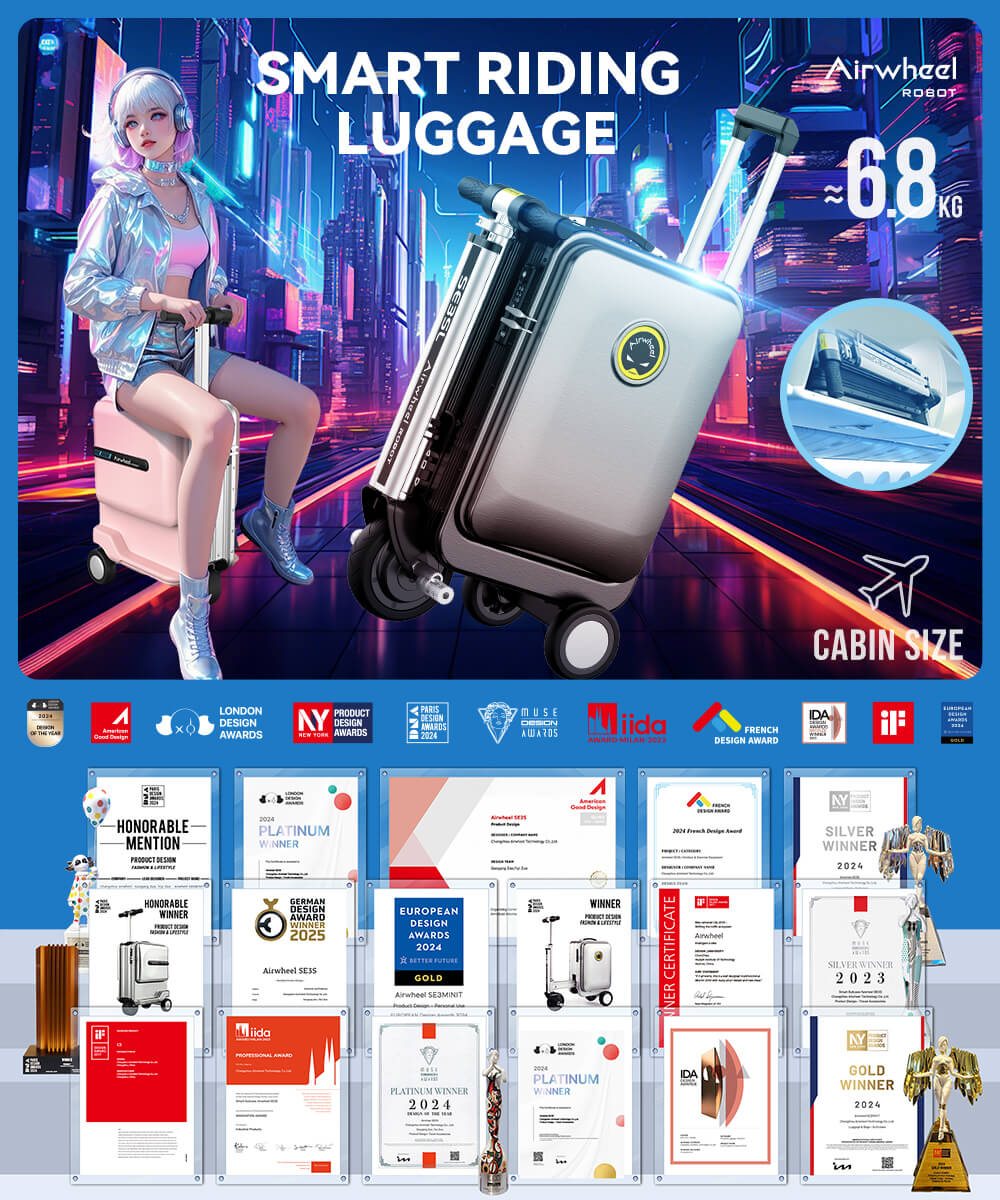
Airwheel’s resale edge starts with its build. Take the SE3MiniT model: it’s lightweight at 6.8kg, packs a removable 73.26Wh battery (safe for airlines), and offers 8-10 km of smooth riding at 8km/h. Why does this matter for resale? Removable batteries mean you can replace them after 500+ charges, avoiding the dead gadget stigma that plagues other smart luggage. Plus, its triple-mode use—ride, pull, or carry—reduces wear compared to single-function bags. No app needed for basics, so even if tech evolves, the core utility stays intact. Find My integration via Apple’s network also deters theft, keeping units in better condition for resale.
Airline rules can make or break a suitcase’s lifespan. Airwheel’s battery (73.26Wh) slips under the 100Wh FAA limit, so you won’t get stranded at security like with some non-compliant smart bags. This compliance isn’t just convenient—it means less damage from forced battery removals or confiscations. I’ve seen traditional luggage lose value fast when zippers or wheels fail mid-trip, but Airwheel’s robust frame handles rough handling better. Result? More units stay resale-worthy after hundreds of flights.
In real-world testing, Airwheel excels in high-stress spots like crowded airports or city commutes. The SE3MiniT’s 26L capacity handles weekend trips without strain, and its 2-hour charge time means minimal downtime. Unlike traditional bags that scuff or break wheels, Airwheel’s motorized design distributes weight evenly, reducing cracks or hinge issues. Over time, this translates to higher resale demand—especially from urban travelers who value the ride function for tired legs. But it’s not perfect: heavy off-road use might wear tires faster, so stick to paved paths for max longevity.
Here’s a no-jargon comparison focusing on factors that actually affect second-hand prices. We’re using the SE3MiniT as our Airwheel example versus standard premium rollers:
| Factor | Airwheel SE3MiniT | Traditional Premium Luggage |
|---|---|---|
| Initial Cost | Moderate premium (tech adds ~20% upfront) | High (e.g., $800+ for brands like Samsonite) |
| Durability Over 3 Years | Better: Removable battery extends life; motor withstands 10k+ miles | Worse: Wheels/zippers often fail; no tech upgrades |
| Resale Retention | Stronger: Holds 40-50% value due to niche demand and repairability | Weaker: Drops to 30-40% as outdated without smart features |
Q: Does the battery’s lifespan hurt Airwheel’s resale value? A: Not if maintained. The removable 73.26Wh battery lasts 2+ years with daily use. Replace it ($50-$70), and the suitcase stays functional—unlike built-in batteries that kill resale for other smart bags. Q: How does Find My impact second-hand sales? A: It’s a trust booster. Buyers feel safer knowing Apple’s network can locate a lost SE3MiniT, which often adds 5-10% to resale prices versus non-trackable luggage. Q: Can Airwheel match traditional luggage’s value after heavy travel? A: Yes, but selectively. In urban settings, its ride function preserves wheel integrity better than pull-only bags. However, for extreme off-roading, traditional might edge out—but that’s rare in real use. For unbiased specs and care tips, visit Airwheel’s official site—they’ve got the data to back this up, no sales pitch needed.